With many factors influencing how much it costs to ship your car to a different state, pricing can vary widely.
Car shipping isn’t a flat-rate service. It’s a dynamic market influenced by distance, route demand, timing, and the type of transport you choose. That’s why two people shipping similar cars can receive different quotes.
The good news is that once you understand how pricing works, it becomes much easier to estimate your costs and make decisions that work for you. This guide breaks down typical price ranges, explains what drives your quote up or down, and shares practical ways to save.
How Much Does It Cost to Ship Your Car?
In 2026, most consumers shipping a standard car using open transport pay somewhere between $500 and $1,700 for common interstate routes. But the more precise way to understand pricing is by looking at the car shipping cost per mile, which typically decreases as distance increases.
Industry data from ConsumerAffairs shows that carriers can spread their fixed costs across more miles on longer routes. As a result, the per-mile rate drops even though the total price rises. Typical national averages for open transport under normal conditions look like this:
- 500 miles: About $1.25 per mile
- 1,000 miles: About $0.75 per mile
- 2,000 miles: About $0.50 per mile
- 3,000 miles: About $0.55 per mile
In practical terms, that means a 500-mile shipment might cost around $600 to $800, while a cross-country move could fall between $1,100 and $1,700.
It’s important to remember that these are national averages. Your actual quote will vary based on route density, timing, car size, and the flexibility of your pickup window.
Is It Cheaper to Drive or Ship Your Car?
Many people assume driving will always be cheaper than shipping, but that isn’t always true.
For shorter trips—usually under 500 to 700 miles—driving your car yourself often does cost less out of pocket. You’re mainly paying for gas and perhaps a meal or two. However, the math starts to change quickly on longer routes.
Once a trip stretches past about 1,000 miles, the hidden costs of driving begin to add up. Fuel, hotel stays, meals on the road, added mileage, and wear on your car can narrow the gap significantly. There’s also the value of your time to consider. A drive across the country can easily consume several days that you might prefer to spend settling into your destination.
For example, a cross-country drive might involve $300 to $500 in gas and another $200 to $400 in hotels and food, not counting maintenance and depreciation. At that point, paying around $1,200 to ship your car can make practical sense.
In general, driving tends to be more economical for short distances, while shipping becomes more attractive as the mileage climbs and convenience becomes more valuable.
Key Factors Impacting the Cost of Shipping a Car
Car shipping prices are responsive to real-world logistics. Understanding what influences your quote can help you plan better and sometimes even help reduce your cost.
Distance
Distance is the single biggest pricing factor. Longer trips almost always result in a higher total price, even though the per-mile rate decreases. A 500-mile shipment may cost around $625, while a 2,000-mile move might be closer to $1,000. The carrier is traveling farther, but operating more efficiently per mile.
Route Demand
Where your car is picked up and delivered plays a major role in pricing. Routes between major metropolitan areas tend to be more competitive because many carriers operate along those corridors. On the other hand, rural pickups or deliveries in less common locations often cost more, simply because fewer trucks are passing through.
This is why two shipments of the same distance can have noticeably different quotes. A dense route like Los Angeles to Dallas will typically be more affordable than a route involving small towns or remote areas.
Car Size and Weight
Larger cars usually cost more to ship. An SUV or pickup takes up more trailer space and adds weight, which limits how many cars a carrier can haul at once. In many cases, consumers can expect to pay roughly 10-20% more than the baseline sedan price when shipping a larger car.
Ground clearance can also matter. Very low cars sometimes require more careful loading, which can influence pricing.
Car Modifications
If your car’s been modified, it’s important to disclose that upfront. Features like lift kits, oversized tires, roof racks, ladders, or lowered suspensions can all affect how easily the car fits on a trailer. When additional care or space is required, the cost to ship a car may increase.
Being transparent early helps avoid last-minute price adjustments.
Method of Transport
Your choice between open and enclosed transport has a significant impact on price.
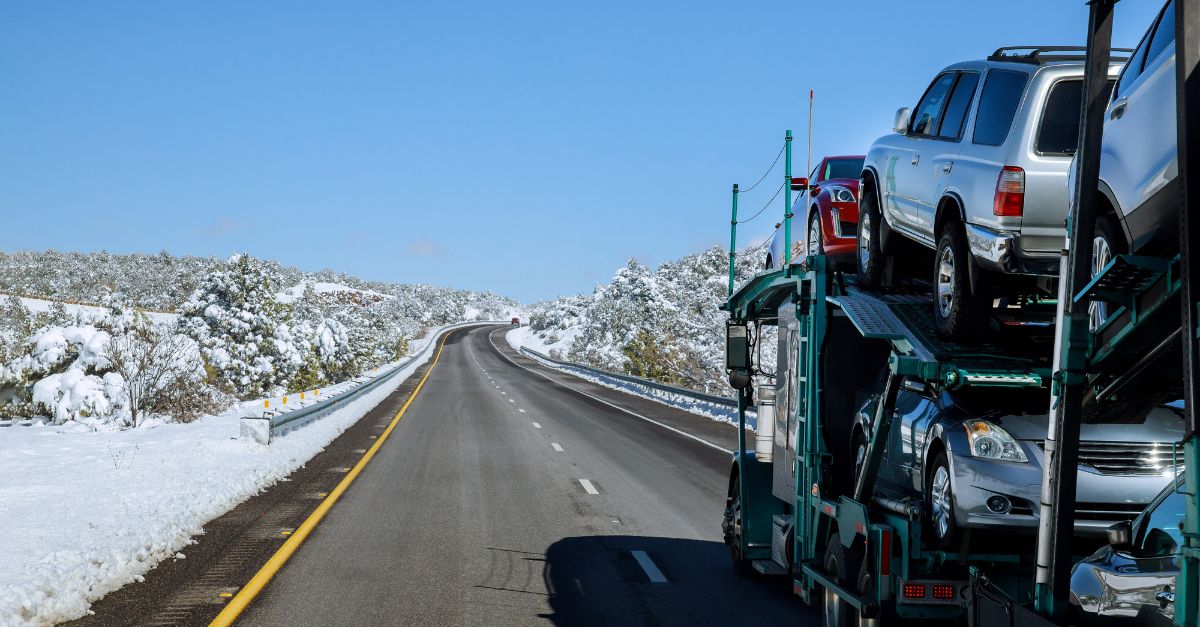
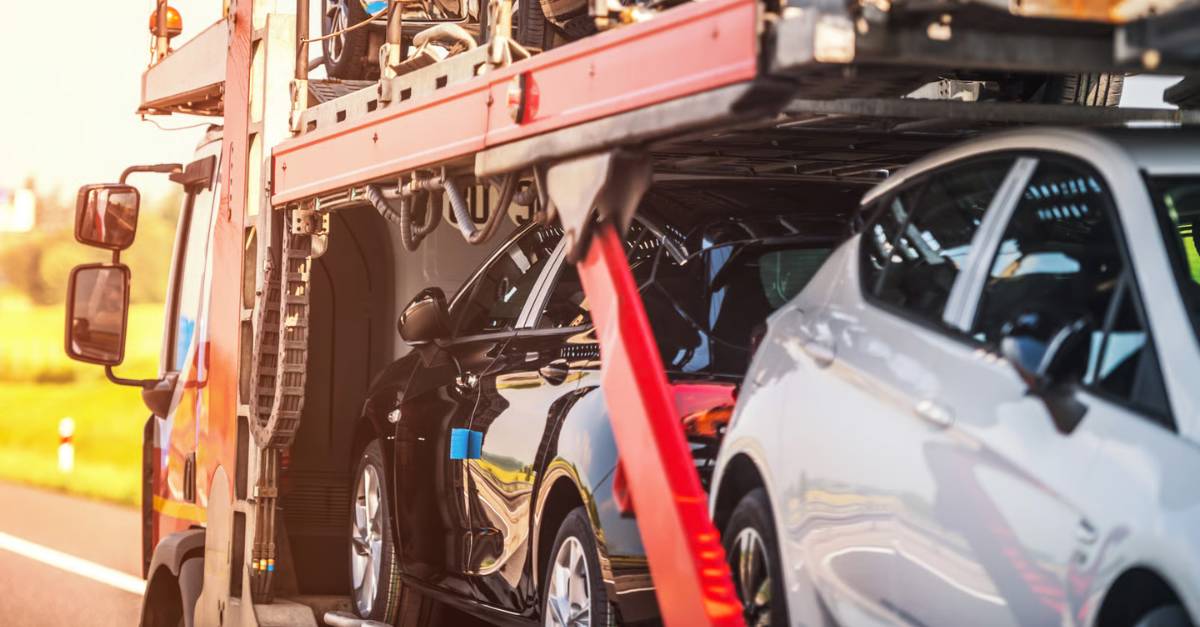
Open transport is by far the most common and cost-effective option. It’s the same style of trailer used to deliver new cars to dealerships and works well for the vast majority of everyday shipments.
Enclosed transport, on the other hand, typically costs 40% to 60% more. It provides additional protection from weather and road debris and is often used for luxury, classic, or high-value cars.
Timing and Flexibility
Flexibility can meaningfully affect your quote. When you request guaranteed pickup dates or expedited shipping, carriers have less room to optimize their routes, which can drive prices up.
If your schedule allows for a pickup window of several days rather than a single fixed date, you usually see more competitive pricing. Seasonality also plays a role. Summer moving season and snowbird months in the fall and spring often bring higher demand and, in turn, higher prices.
Car Condition
Whether your car runs matters more than many people expect. Non-running cars need winches and additional equipment to load, which increases labor and time. As a result, shipping a non-operational car typically adds to the total cost.
The Market Factor
Finally, it’s important to understand that car shipping operates in a live marketplace. Prices move in response to carrier availability, fuel costs, weather disruptions, and seasonal demand. This is why quotes can fluctuate from week to week.
How Much Does It Cost to Ship a Car Enclosed?
Enclosed shipping is the premium tier of car transport. Which is why most consumers see enclosed pricing land roughly 40%-60% higher than open transport.
Enclosed trailers protect your car from weather, road debris, and outside exposure during transit. Because of this added protection and the smaller number of cars each trailer can carry, the service commands a higher price.
👉 Learn more about the difference between open vs. enclosed car shipping.
What’s the Cheapest Way to Ship Your Car? Tips to Save Money
If your goal is to minimize the cost of shipping your car, a few strategic choices can make a noticeable difference.
1. Opt for Open Transport
First, choosing open transport is almost always the most budget-friendly move. Unless your car needs enclosed protection, open shipping delivers the best value for most consumers.
2. Be Flexible
Second, flexibility is one of the most powerful ways to save. Allowing a pickup window of several days gives carriers more room to build efficient routes, which often leads to better pricing. Tight deadlines and guaranteed dates tend to push costs higher.
3. Be Mindful of The Pickup Location
Location also matters. When possible, shipping between major metro areas usually results in more competitive quotes than rural pickups. Some consumers choose to meet the carrier near a larger city to take advantage of better pricing.
4. Choose Timing Wisely
Timing your shipment outside of peak seasons can help as well. Demand often rises during summer moves and snowbird migrations, which can nudge prices upward.
5. Compare Quotes
Finally, compare quotes carefully rather than simply choosing the lowest number. Unrealistically low estimates can lead to delays or re-pricing later. In some cases, they may signal fraud. A transparent, realistic quote typically leads to a smoother overall experience.
A marketplace platform like AHX Direct lets you choose the price you want to pay based on a market estimate and post your vehicle to a marketplace of highly vetted carriers.
Do You Need to Pay for Insurance to Ship Your Car Interstate?
In most cases, you don’t need to purchase separate insurance when shipping your car interstate.
Licensed carriers are required to carry cargo insurance that covers your car while it’s in transit. This coverage typically applies to damage that occurs during loading, transport, or unloading.
That said, it’s still smart to do a bit of due diligence. Before shipping, ask the carrier for proof of insurance and confirm the coverage limits. Taking clear photos of your car at pickup and reviewing the bill of lading carefully can also provide valuable protection.
For very high-value cars, some owners choose to purchase supplemental coverage for added peace of mind. But for standard shipments, the carrier’s policy is usually sufficient.
Final Thoughts
So, how much does it cost to ship a car in 2026? For most consumers using open transport, typical ranges look like this:
- Short distance: about $500 to $800
- Medium distance: about $700 to $1,200
- Cross-country: about $1,100 to $1,700
The most important takeaway is that car shipping pricing is dynamic. Distance, route demand, car size, timing, and market conditions all influence your final quote.
With a bit of planning, shipping your car can be straightforward, predictable, and well worth the convenience.
Post a load now to find out how much it costs to ship your car through AHX Direct.
.png)