.jpg)
If you’re planning to ship your car, one of the first decisions you’ll face is open vs. enclosed car shipping. At a glance, the difference seems simple. But the right choice depends on your budget, timeline, and how much protection your car needs.
For many people, open transport is the default option because it’s widely available and cost-effective. But if you’re shipping a luxury, classic, or high-value car, enclosed transport may offer peace of mind that’s well worth the extra cost.
This guide breaks down exactly how each method works, what enclosed car shipping looks like, and how to decide which option is best for your situation.
What is Open Car Shipping?
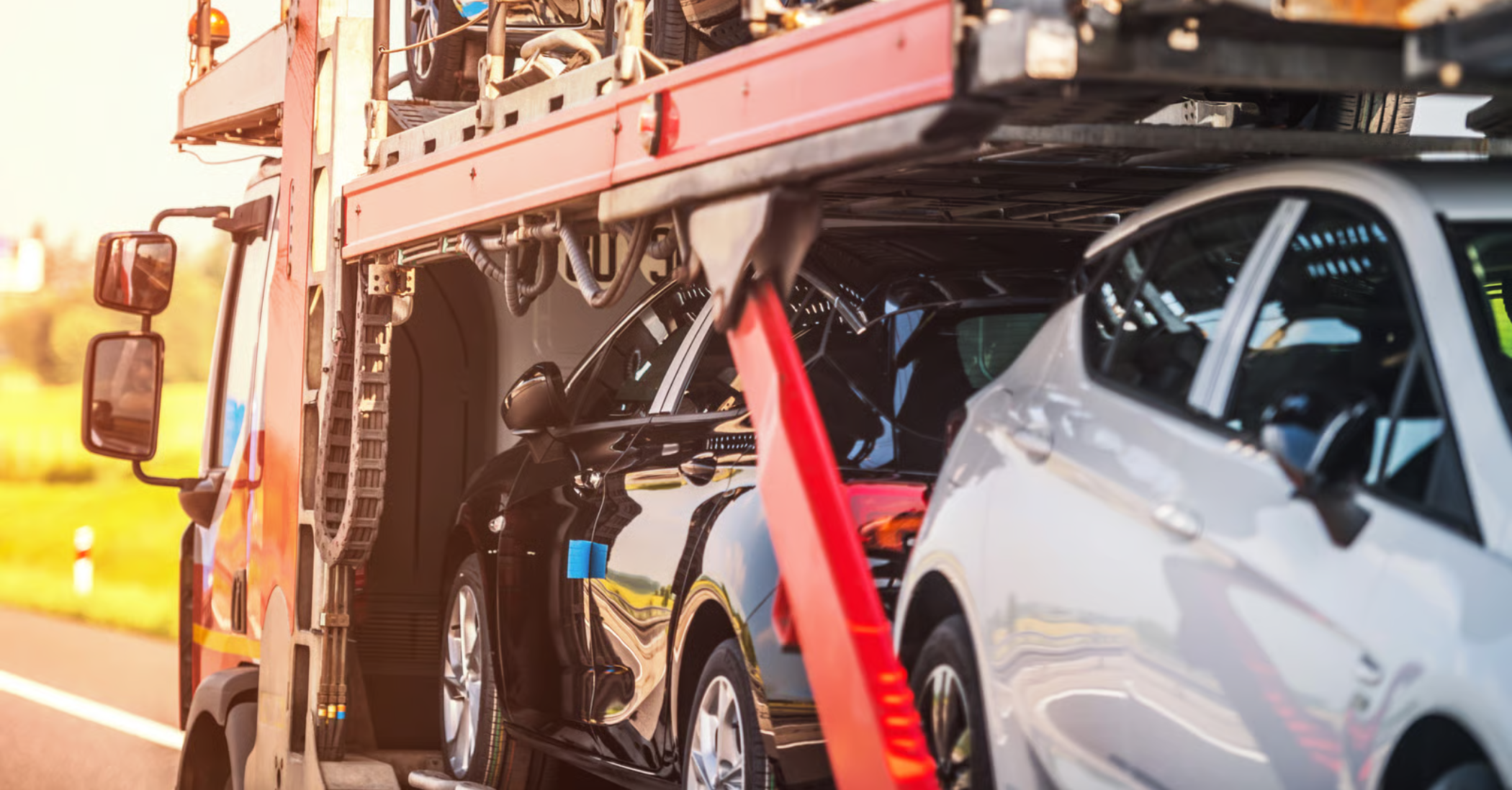
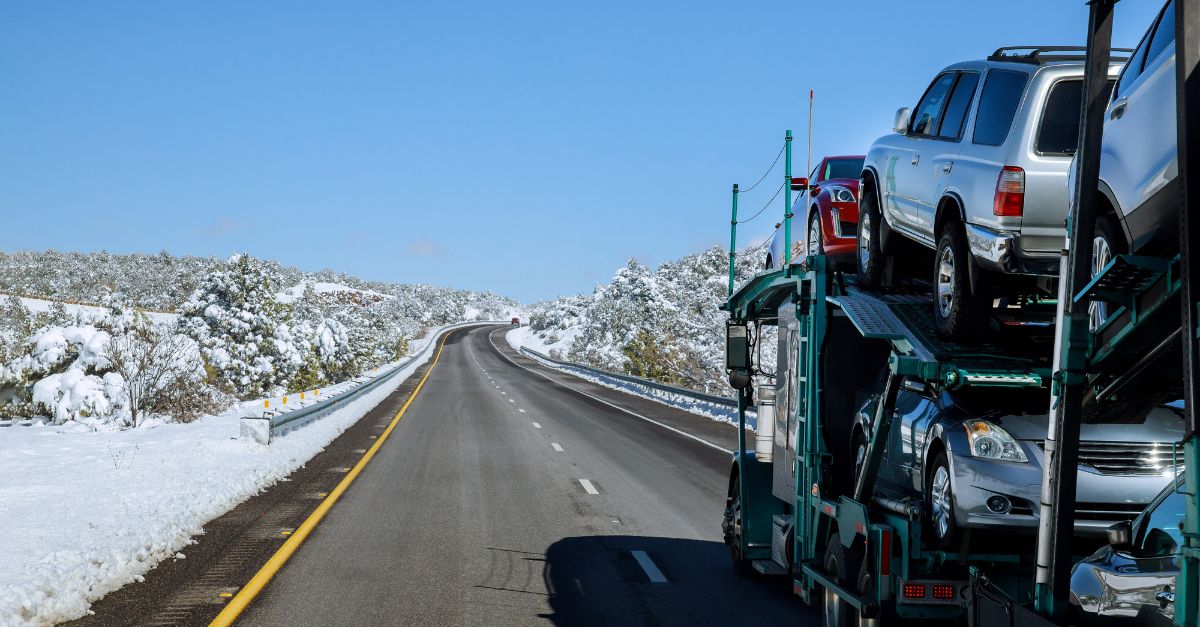
Open car shipping is the most common way to transport a car in the United States. If you’ve ever seen a two-level trailer hauling multiple cars down the highway, you’ve seen open transport in action.
With this method, your car is loaded onto an open carrier alongside several other cars. The trailer doesn’t have walls or a roof, so the cars are exposed to normal road and weather conditions during transit.
Open shipping is popular because it’s:
- Widely available
- Faster to schedule
- More affordable than enclosed shipping
- Efficient for long-distance moves
Most everyday cars—sedans, SUVs, and pickup trucks—are shipped using open carriers. It’s the industry standard for dealership moves, relocations, and most personal shipments.
Is Open Car Transport Risky?
In most cases, open car transport isn’t risky. When you work with a reputable carrier, it’s generally safe and reliable. However, because the car is exposed, it may arrive with light dust or minor road debris, similar to what you’d see after a long highway drive.
What is Enclosed Car Shipping?
Enclosed car shipping transports your car inside a fully covered trailer. Instead of being exposed to the elements, your car is protected by walls and a roof throughout the journey.
What Does Enclosed Car Shipping Look Like?
Enclosed carriers typically look like large box trailers pulled by heavy-duty trucks. Inside, cars are carefully secured, often with additional equipment like lift gates or soft tie-downs to minimize movement and reduce risk.
Because these trailers carry fewer cars and offer more protection, enclosed shipping is commonly used for:
- Luxury cars
- Classic or antique cars
- Exotic or high-value cars
- Show cars
- Cars with custom paint or modifications
Types of Enclosed Carriers
Not all enclosed shipping is identical. There are a few variations you may encounter when researching enclosed car shipping.
Hard-Sided Enclosed Carriers
These trailers have solid walls (usually aluminum or fiberglass) that fully shield the car from outside elements.
Soft-Sided Enclosed Carriers
These use heavy-duty fabric or vinyl sides stretched over a frame. They still provide strong protection from weather and debris, but are slightly less rigid than hard-sided trailers.
Single-Car Enclosed Trailers
Used primarily for high-end or specialty shipments, these trailers move one car at a time. They’re typically the most expensive, but offer maximum attention and minimal handling.
Open vs. Enclosed Car Shipping: Which is Better?
When looking at whether to use open or enclosed car shipping, the better option depends on what you value most: cost savings or maximum protection.
For everyday cars and budget-conscious moves, open transport is usually the practical choice. For rare, luxury, or highly sentimental cars, enclosed shipping often provides worthwhile peace of mind.
Let’s break down the pros and cons of each.
The Pros and Cons of Open Car Shipping
Pros of Open Car Shipping
- More affordable: Open transport typically costs 40–60% less than enclosed shipping. If budget is your top priority, this is usually the best value
- Faster availability: Because most carriers operate open trailers, it’s typically easier to find a driver quickly. This can reduce wait times and speed up scheduling
- Efficient for long-distance moves: Open carriers can move more cars at once, making routes more frequent and flexible
- Industry standard: The majority of cars shipped in the U.S. use open transport successfully every day
Cons of Open Car Shipping
- Exposure to weather and road debris: Your car will be exposed to rain, dust, and normal highway debris during transit
- Less ideal for high-value cars: Owners of luxury or collector cars may feel uncomfortable with the level of exposure in open car shipping
- Potential for cosmetic dirt on arrival: Cars often arrive needing a wash, especially after long trips
The Pros and Cons of Enclosed Car Shipping
Pros of Enclosed Car Shipping
- Maximum protection: The biggest advantage of enclosed car shipping is protection from weather, debris, and road grime
- Ideal for luxury and classic cars: If your car has high financial or sentimental value, enclosed shipping offers added peace of mind
- More controlled handling: Enclosed carriers typically transport fewer cars and often use specialized equipment
- Added privacy: Because the car isn’t visible from outside the trailer, enclosed shipping can reduce unwanted attention
Cons of Enclosed Car Shipping
- Higher cost: The most notable downside of enclosed shipping is the price. Enclosed shipping is significantly more expensive than open transport, because it offers an added layer of protection
- Less availability: There are fewer enclosed carriers on the road, which can mean longer scheduling windows
- Potentially longer transit times: Because routes are more specialized, enclosed shipments may take slightly longer to arrange
What’s The Cost of Enclosed Car Shipping?
One of the most common questions in the open vs enclosed car shipping debate is how much more enclosed car transportation costs.
Like all car shipping, the price varies significantly by distance, route, and season. But the general rule of thumb is that enclosed shipping will cost anywhere from 40-60% more per mile than open car shipping.
That means if a cross-country open shipment costs $900-$1,300, the same route with enclosed transportation might cost $1,260–$2,080.
Several factors influence enclosed pricing, including:
- Distance of the shipment
- The size and weight of your car
- Pickup and delivery locations
- Time of year (peak vs. off-peak)
- Carrier availability
When is Enclosed Shipping Worth The Extra Cost?
Enclosed transport often makes sense if your car:
- Is worth $50,000+
- Has custom paint or bodywork
- Is a classic or collector model
- Is being shipped to a show or auction
- Has very low ground clearance
For everyday drivers, many people find open transport provides the best balance of cost and reliability.
How to Find Open and Enclosed Car Shipping Companies
Once you decide between open and enclosed transport, the next step is finding a reliable carrier. This is where many car shippers run into frustration—especially when navigating multiple quotes, phone calls, and unclear pricing.
Traditionally, finding someone to ship your car required working with a broker. This process typically entails:
- Filling out a quote form
- Receiving calls from multiple brokers
- Waiting for a carrier to be assigned
- Having limited visibility into who’s actually moving the car
- Facing surprises on the final bill
Today, more modern alternatives can make the process more efficient, affordable, and transparent. For example, with AHX Direct’s marketplace, you can:
- Compare open and enclosed shipping options in one place
- Post your vehicle directly to vetted carriers
- See clear pricing upfront
- Track and manage your shipment on a single platform
You simply post your car to the platform and include your specifications. From there, your request is shared with our network of vetted auto haulers who can accept your shipment. You receive clear updates along the way—with no pricing surprises at the end.
This approach helps reduce the guesswork and gives you more confidence when choosing between enclosed vs. open car shipping.
Tips For Choosing The Right Carrier
No matter which shipping method you choose, it’s important to look for:
- Carriers who are properly insured
- Strong customer reviews
- Clear communication
- Transparent pricing
- Real carrier information (not just a middle layer)
Taking a few extra minutes to vet your carrier (or choosing a platform that does this for you) can make a big difference in your overall experience.
Find The Best Shipper for Your Vehicle
Choosing how to ship your car ultimately comes down to your priorities.
If your goal is affordability and efficiency, open transport is the practical choice for most everyday cars. It’s widely used, reliable, and cost-effective for long-distance moves.
If your car requires extra protection or if you need peace of mind, enclosed shipping offers a higher level of care and security. While it comes at a premium, many owners of luxury, classic, or specialty cars find the added protection worthwhile.
The good news is you don’t have to guess. With AHX Direct, you can compare both options and work with a carrier that best fits your needs, timeline, and budget.
Ready to ship your car with confidence? Get a quote with AHX Direct today.